
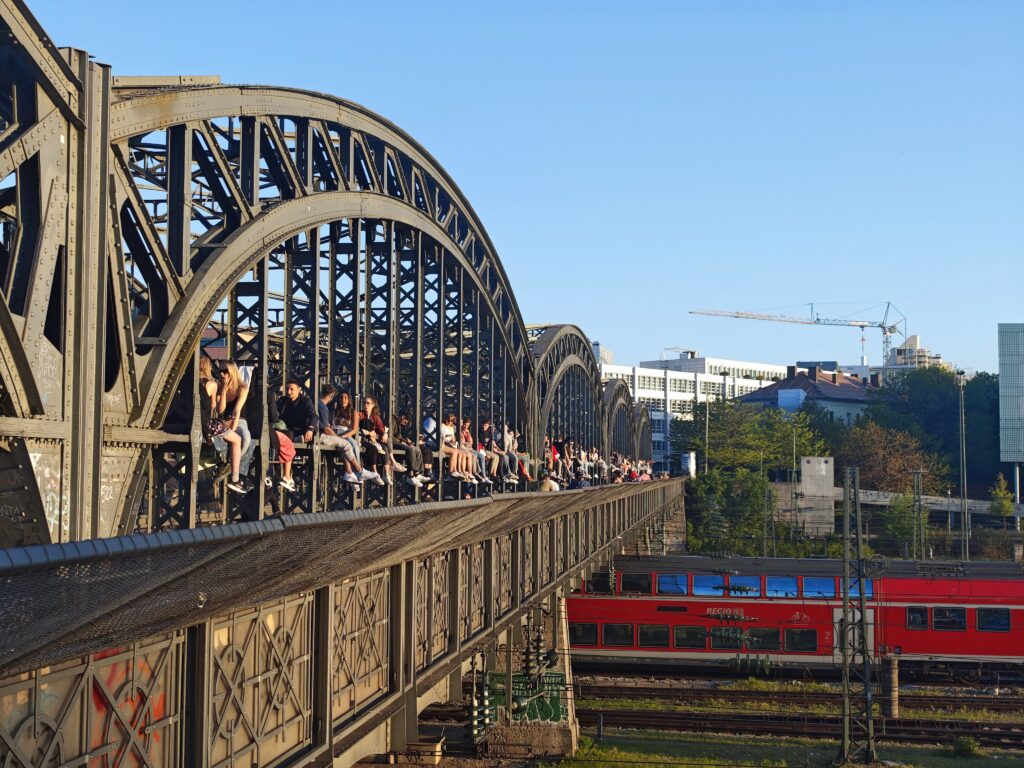
The Hackerbrücke – famous bridge in Munich
If someone asks me about the most beautiful spot in Munich to watch the sunset, I recommend the Hackerbrücke. It’s an industrial monument, a viewpoint, and in summer, the city’s unofficial “living room.” The Hackerbrücke is a riveted, iron truss bridge. This extraordinary bridge is a listed historical monument and a truly special sight.
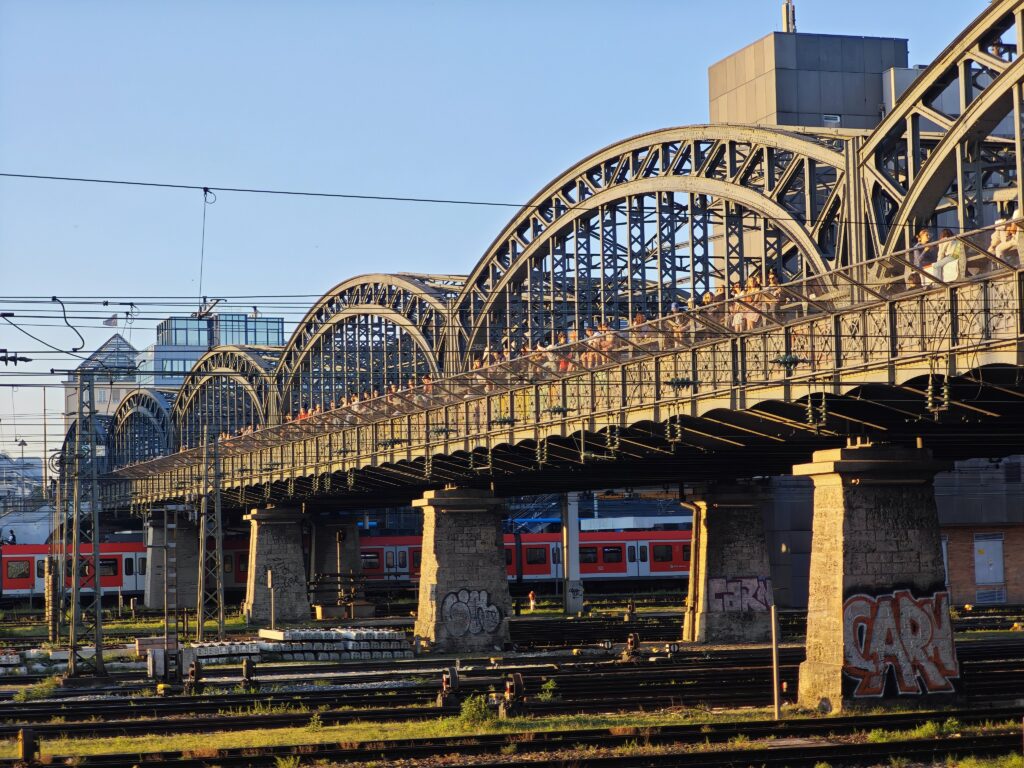
If you’re in Munich, around the main train station, you’ll inevitably come across it sooner or later: the Hackerbrücke. What many see simply as a crossing over the railway tracks is actually a landmark. The bridge was built in its current form between 1890 and 1894. That makes it over 130 years old – and thus one of the oldest steel arch bridges still standing in Germany.
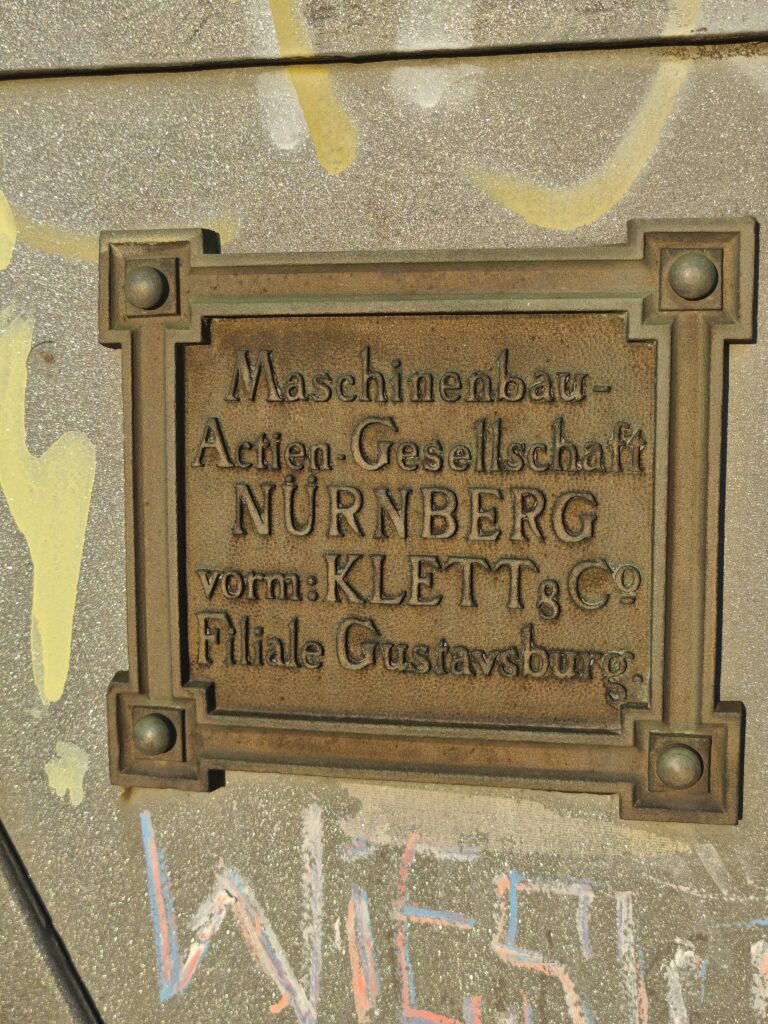
A simpler bridge used to stand here, but with increasing rail traffic, a new structure became necessary. It was built by Maschinenbau-Actien-Gesellschaft Nürnberg, the later MAN Group. The bridge was named after the Hacker Brewery. The name comes from the fact that the brewery was located very close by at the time. Perhaps you’ve even tried the beer “Hacker-Pschorr” – that’s where the name comes from.
A technical masterpiece from the Gründerzeit era
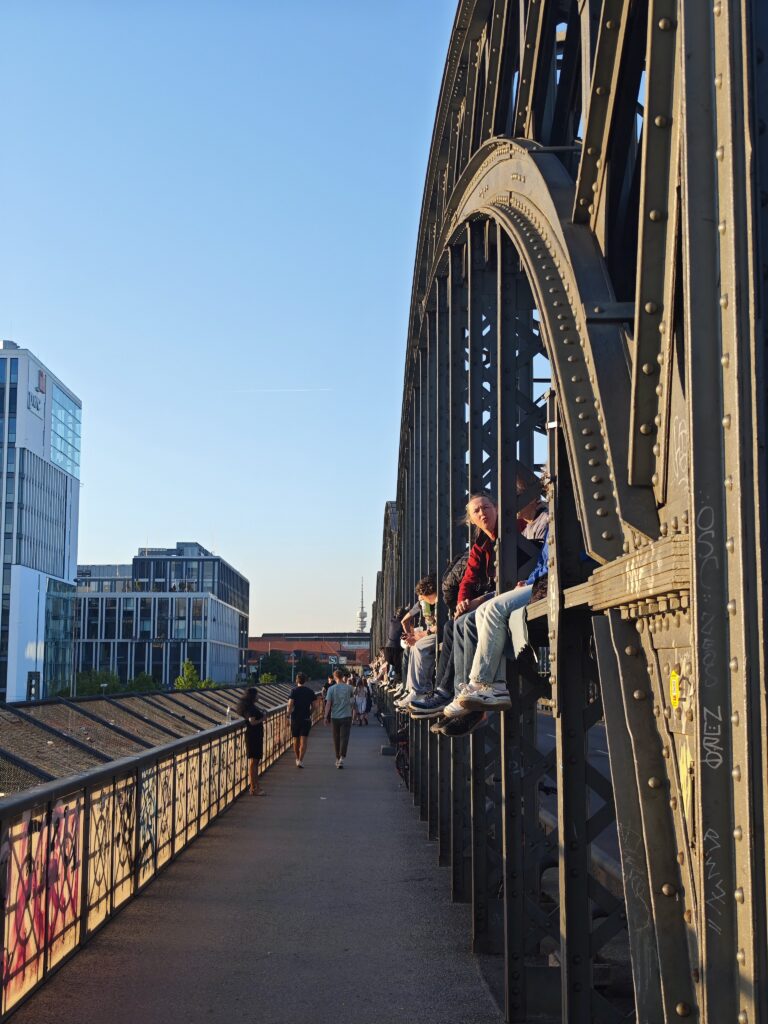
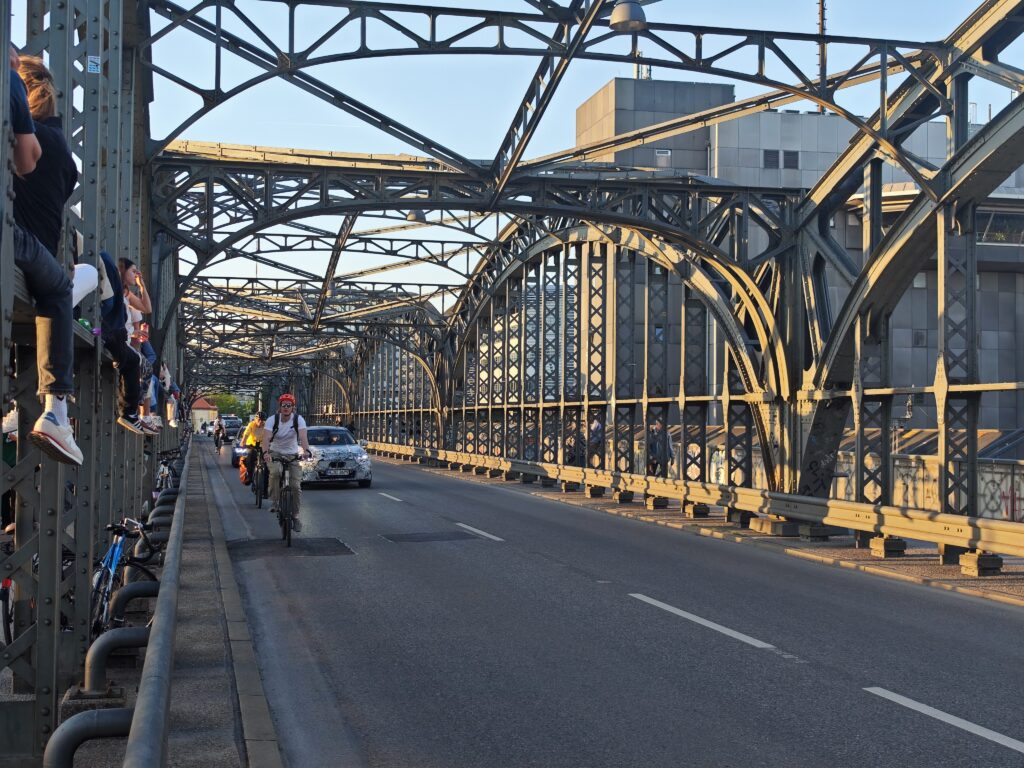
The Hacker Bridge has a unique design: it’s an arch bridge . In this type of bridge, the tensile forces are absorbed by a lower tie rod. It consists of six large steel arches , each spanning approximately 28 meters and standing about eight meters high . The entire structure is a riveted truss construction, a classic example from the Industrial Revolution era – no welding, no bolts, just genuine craftsmanship with rivets.
–> Architecture & Design
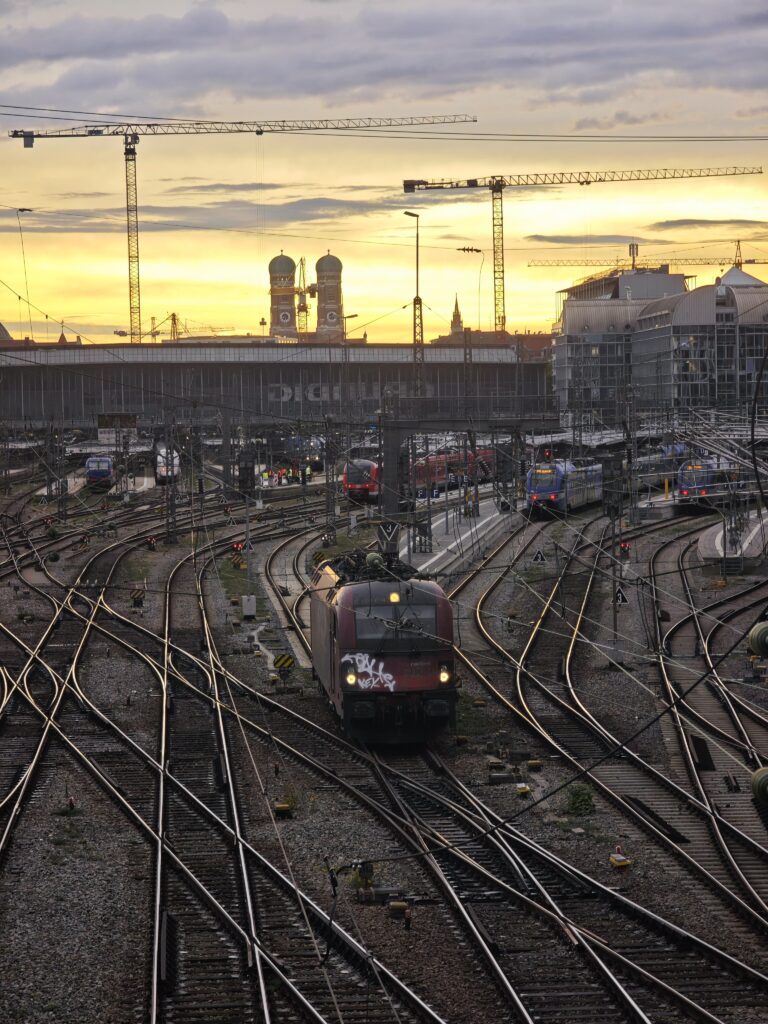
The entire bridge is approximately 174 meters long, considering only the section spanning the tracks. Approach bridges extend from each side. The roadway on the bridge is just under 7 meters wide, with sidewalks on both sides . This creates the characteristic “canal view” through the arches when standing on the roadway. The Hackerbrücke spans the vast tangle of tracks at Munich Central Station – a total of 26 tracks. The bridge was partially destroyed during World War II and reconstructed in 1953. Extensive renovations took place between 1983 and 1984. However, the original structure remained unchanged, as it is a listed historical monument.
–> History
Transport hub in Munich
The Hackerbrücke (Hacker Bridge) is a very important structure for traffic in Munich’s city center. It connects the busy Landsberger Straße south of the bridge with Arnulfstraße to the north . Thanks to the Hackerbrücke, you can quickly get from Ludwigsvorstadt to Schwanthalerhöhe and vice versa. Even more important, however, is the bridge for rail traffic: Hundreds of trains pass underneath it daily, heading towards and from the main train station, while pedestrians, cyclists, cars, and buses travel above
The bridge’s central function for local transport is also important: The Munich Hackerbrücke S-Bahn station is located directly beneath it . It’s a station on Munich’s main S-Bahn line. If you want to take the S-Bahn to the main train station, you get off here – a fantastic connection point. Right next to the Hackerbrücke S-Bahn station is the central bus station (ZOB) . Many long-distance buses depart from Munich here. The bridge plays a particularly crucial role during Oktoberfest : Thousands of people stream from the S-Bahn station across the Hackerbrücke to the Theresienwiese (Oktoberfest grounds ). At that time, it’s even closed to cars to ensure pedestrian safety. With a bit of luck, you might even spot cheerful, dancing police officers on the Hackerbrücke during Oktoberfest.
Hackerbrücke as a hotspot for sunsets in Munich
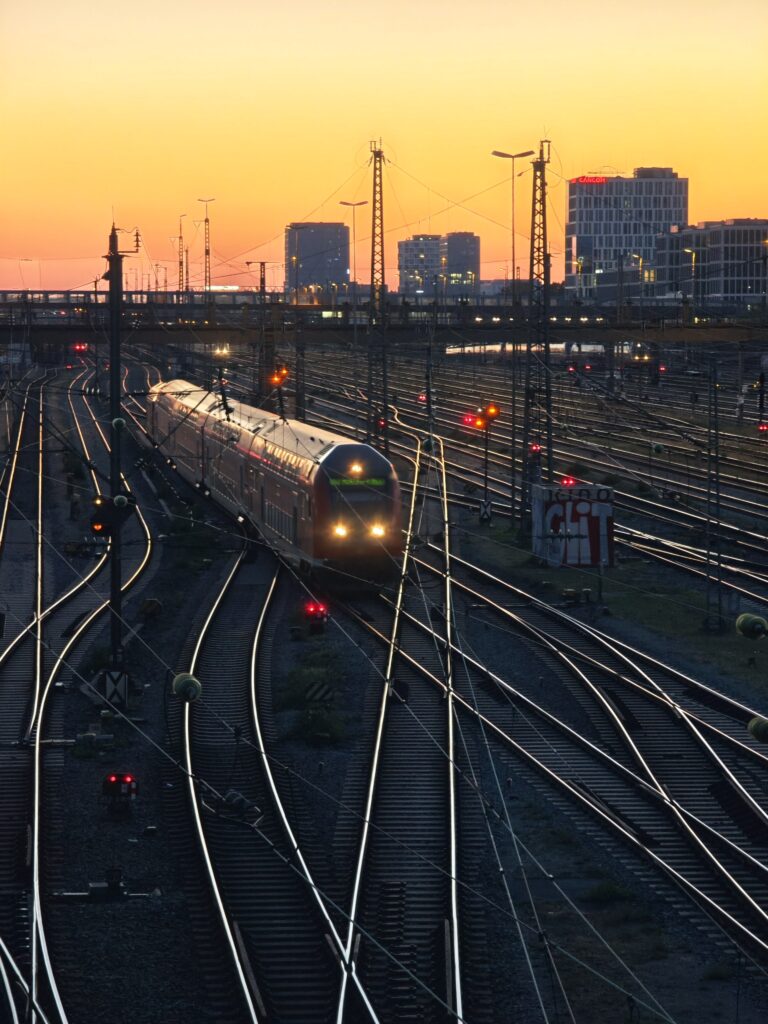
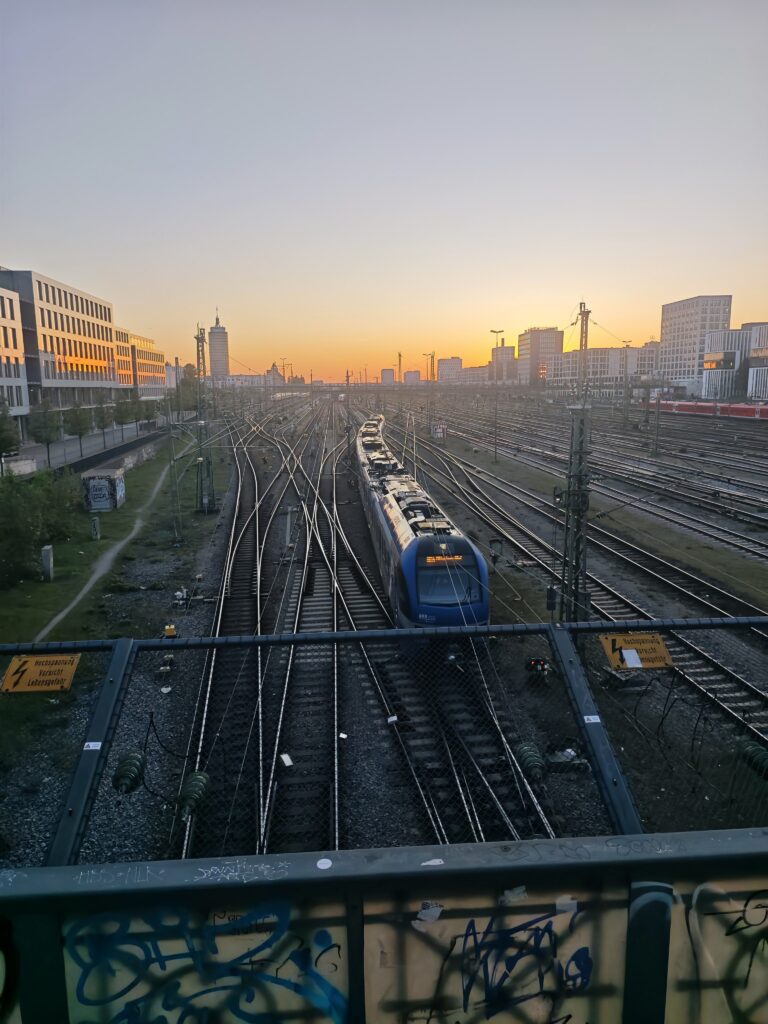
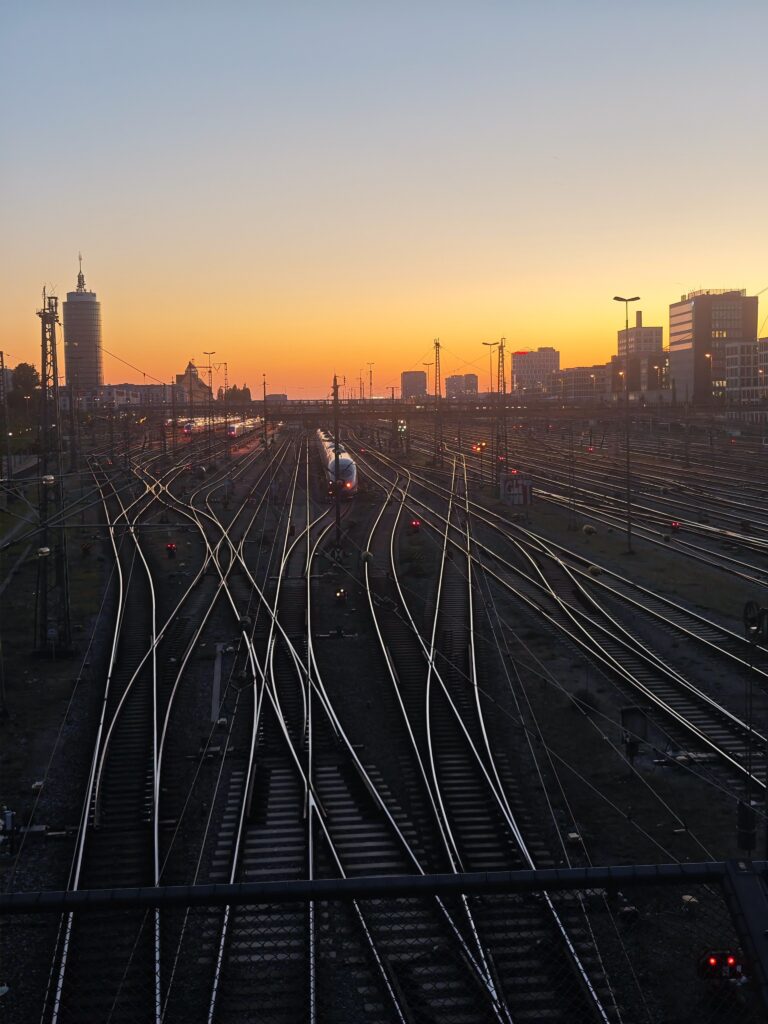
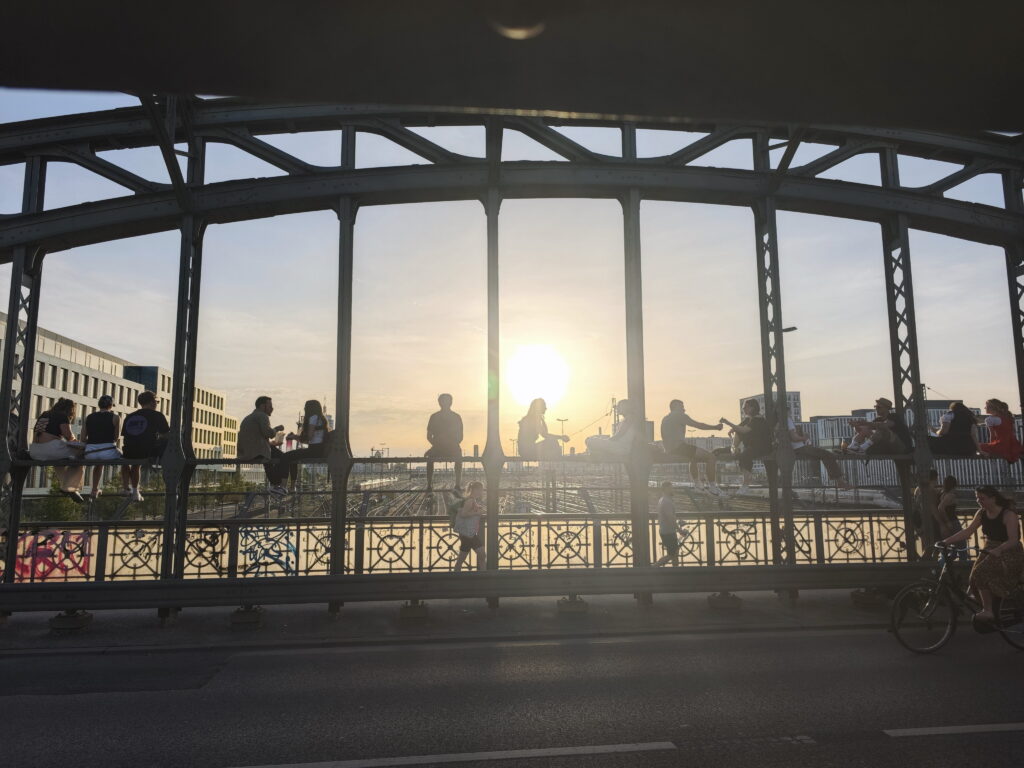
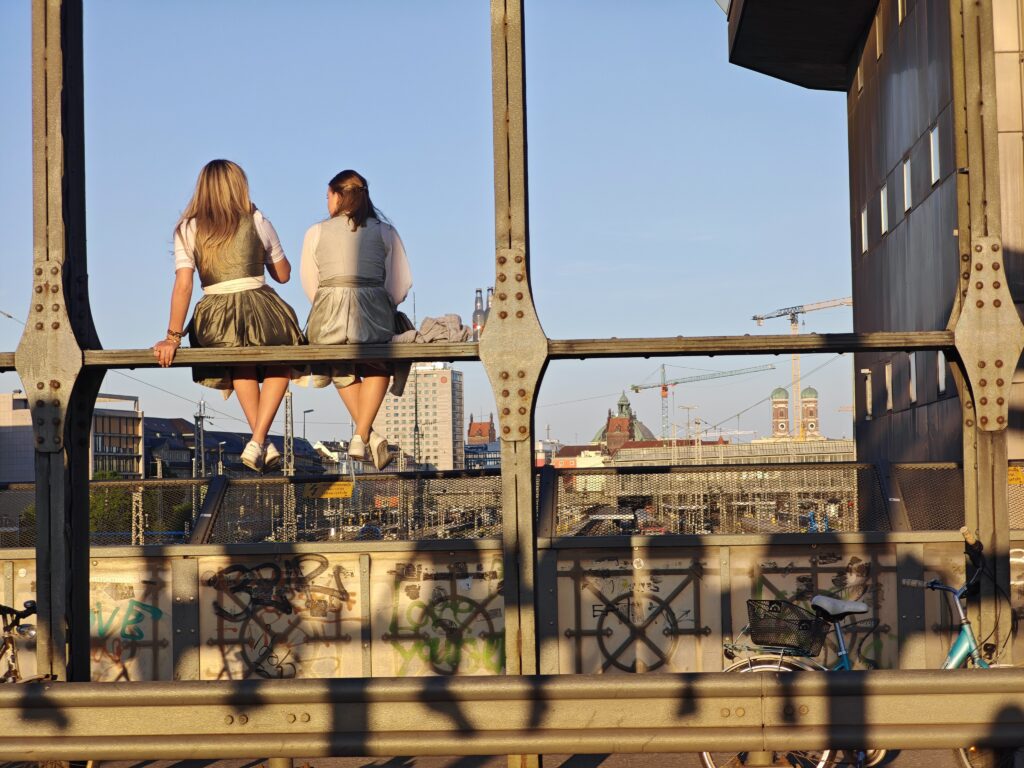
One of the Hackerbrücke’s greatest features and reasons for its popularity is the spectacular sunset view . Especially in summer, when the sun sets late, people from all over Munich gather here – students, travelers, couples, groups of friends. They sit on the bridge’s steel girders, bringing their own drinks and sometimes food. Thanks to the steel girders, you can climb up onto the Hackerbrücke and find a comfortable spot to sit. There, you can simply enjoy the view. You have a direct view over the railway tracks, the city in the background, and the sunset right in front of you. The light then falls golden on the steel rails – a truly magical moment in the heart of Munich.
This meeting place is completely informal, almost like a little piece of sanctuary in the middle of the city. There’s no entrance fee, no program, no rules – just the city and its people. Sitting there, you get a real sense of just how vibrant and diverse Munich truly is. I didn’t realize this for a long time, until I went there and was completely blown away.
DIFFICULT TO PARK
If you want to be here for sunset, it’s best to come without a car. There are no parking spaces directly on the bridge, and parking in the surrounding area is also difficult – and if you do find a spot, it’s expensive. If you still want to park here, here’s my overview:
–> Hackerbrücke Parking
The Hackerbrücke and the Oktoberfest
During the annual Oktoberfest, the Hackerbrücke bridge plays a particularly important role. The S-Bahn station “Hackerbrücke,” located beneath the bridge, is the closest stop to the Theresienwiese. Thousands of Oktoberfest visitors use the bridge as the main access point to the festival grounds. On evenings and weekends during Oktoberfest, the bridge is closed to car traffic and becomes a pedestrian zone to accommodate the crowds. The police often use loudspeaker announcements and music to create a lively atmosphere for the festival-goers.
Latest news on the renovation of the Hackerbrücke bridge
The Hackerbrücke is a listed building and is regularly maintained. A comprehensive renovation is planned for 2027 to 2029. Starting in March 2027 , the massive renovation of the over 130-year-old steel structure will begin and is scheduled to last until August 2030. The good news: the bridge will be completely closed to cars for three years, but cyclists and pedestrians will be able to use it the entire time!
This is a unique opportunity . The Munich Cycling Referendum Alliance wants a car-free Hackerbrücke (Hacker Bridge). Why bring back traffic noise when the detours have already proven their worth during the three-year construction period? The vision: The Hackerbrücke should be permanently dedicated solely to pedestrians and cyclists! To underscore this dream, the Munich Cycling Referendum Alliance is organizing a special demonstration on Thursday, December 4, 2025, from 5:00 to 6:00 p.m .: A Christmas tree will be placed directly on the bridge’s roadway. Rewritten, “cyclist-themed” Christmas carols will be sung! Santa Claus will also be handing out special bicycle-themed cookies .
–> all the information renovation Hackerbrücke
A note to
our fellow bloggers, journalists, and everyone else reading this information with the intention of using it in any way: This entire article, like all other content on this website about the Hackerbrücke (Hacker Bridge), is copyrighted. We compiled all this information and these facts about the Hackerbrücke in Munich through extensive on-site research. Before publishing it here, it was not available anywhere else on the internet. Therefore, we can quickly identify any plagiarism or copying. Copying the text is illegal anyway. However, if you use individual pieces of data from this website, journalistic integrity dictates that you link to this website.
Frequently asked questions about the Hackerbrücke bridge in Munich
Yes, the bridge is a public road and pedestrian bridge and is accessible
free of charge at all times (except during official closures, e.g. for cars during Oktoberfest).
The riveted steel truss structure was built between
1890 and 1894 and is therefore over 130 years old. It is a listed building from the Gründerzeit period.
It was named after the
Hacker brewery , which used to have its headquarters in the immediate vicinity (now known as Hacker-Pschorr).
It connects Arnulfstrasse with Landsberger Strasse, spans 26 tracks and is a central interchange point, as it houses the
Hackerbrücke S-Bahn station (first/last above-ground stop of the main line) and the
central bus station (ZOB) .
The complete renovation of the listed steel structure is planned for the period from the beginning of 2027 until approximately the end of 2029 (approximately three years).
The bridge will be completely closed to car traffic during the renovation . However, it will remain open to pedestrians and cyclists at all times.
Due to renovation work, the Hackerbrücke bridge will be closed to cars from the beginning of 2027 until the end of 2029. Pedestrians and cyclists will still be able to cross the bridge during the renovation work. The closure does not apply to them.
Hackerbrücke is not a classic “highlight” attraction like Marienplatz or Nymphenburg Palace, but it is an
indispensable urban hotspot and a
historical monument with a very special atmosphere.